Planning meals from pantry staples is a smart way to save time, reduce food waste, and simplify your cooking routine. Whether you’re trying to cut down on grocery trips or want to make the most of what’s already in your kitchen, learning how to build satisfying meals from shelf-stable ingredients can be a game changer.
In this guide, we’ll walk through practical tips on how to organize your pantry, choose versatile staples, and plan meals that are both nutritious and easy to prepare. Let’s get started!
Why Use Pantry Staples for Meal Planning?
Using pantry staples as the foundation for your meals offers several benefits:
– Convenience: Ingredients are already on hand, so you can whip up meals quickly.
– Savings: Pantry staples are often more affordable and have longer shelf lives.
– Flexibility: You can mix and match ingredients to create different flavors and dishes.
– Reduced waste: Using what you have prevents food from expiring unused.
Step 1: Organize Your Pantry
Before planning meals, it helps to know exactly what you have. Take some time to:
– Clear and clean shelves: Remove expired items and wipe down surfaces.
– Categorize ingredients: Group items by type — grains, canned goods, baking essentials, spices, etc.
– Make an inventory list: Write down everything you have and note quantities.
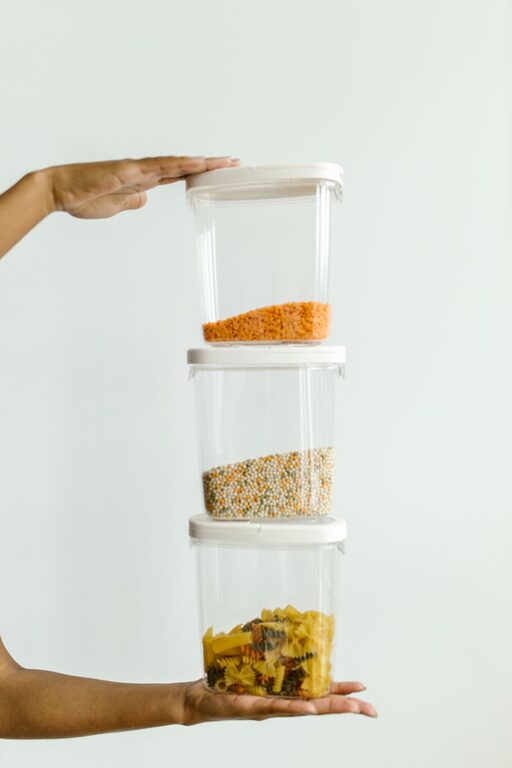
– Store for visibility: Use clear containers or baskets to keep things visible and accessible.
Having a well-organized pantry prevents duplicate purchases and inspires meal ideas.
Step 2: Identify Your Go-To Pantry Staples
Certain ingredients serve as the backbone for many meals. Here are some staples worth keeping:
– Grains: Rice (white, brown, or wild), pasta, quinoa, couscous, or oats.
– Canned goods: Beans (black, chickpeas, kidney), tomatoes, corn, tuna, coconut milk.
– Baking essentials: Flour, sugar, baking powder, baking soda.
– Oils and vinegars: Olive oil, vegetable oil, apple cider vinegar, balsamic vinegar.
– Spices and herbs: Salt, pepper, garlic powder, paprika, cumin, dried oregano, chili flakes.
– Other staple items: Peanut butter, broth (vegetable or chicken), soy sauce, honey or maple syrup.
Keeping a well-rounded set of staples gives you lots of options when planning meals.
Step 3: Plan Meals Around What You Have
Think in Terms of Meals or Themes
Instead of randomly picking items, start by thinking about what type of meals you want to make. For example:
– Pasta night: Use dried pasta + canned tomatoes + garlic + herbs.
– Bean bowls: Cook rice + canned beans + canned corn + spices.
– Soup or stew: Combine broth + canned veggies + grains or beans.
– Stir-fry: Use rice or noodles + oil + soy sauce + canned or frozen veggies.
Build Meals Using a Formula
Try this simple formula when planning:
- **Base:** grains or pasta
- **Protein:** beans, canned fish, or nuts
- **Vegetables:** canned, frozen, or fresh
- **Flavor:** spices, herbs, sauces
Example: Brown rice (base) + black beans (protein) + canned corn and diced tomatoes (vegetables) + cumin and chili flakes (flavor) = a tasty burrito bowl.
Mix and Match Ingredients
Many pantry staples are versatile. For instance, canned tomatoes can be used in pasta sauce, chili, or curry. Beans can be mashed for dips or tossed in salads and soups.
Step 4: Keep a List of Quick Pantry Staple Recipes
Having go-to recipes saves time. Here are some easy ideas:
– Chickpea Curry: Sauté onions (fresh or dried), add canned chickpeas, canned coconut milk, curry powder, and simmer. Serve over rice.
– Pasta with Tomato Sauce: Cook pasta. Sauté garlic, add canned tomatoes, salt, pepper, and herbs. Toss sauce with pasta.
– Bean Chili: Combine canned beans, canned tomatoes, chili powder, and broth. Simmer until thickened.
– Tuna Salad: Mix canned tuna with olive oil, lemon juice, canned corn, and spices. Serve over greens or bread.
– Oatmeal: Cook oats with water or milk. Add honey, nuts, or canned fruit for flavor.
Step 5: Supplement Pantry Staples with Fresh Ingredients
Pantry meals don’t have to be boring. Adding fresh items when possible boosts nutrition and flavor:
– Fresh herbs like parsley or cilantro.
– Onions, garlic, or bell peppers.
– Leafy greens such as spinach or kale.
– Fresh fruits as a side or dessert.
If fresh produce isn’t available, frozen vegetables are a great alternative that keeps well.
Additional Tips for Success
– Rotate your pantry stock: Use older items first and replenish staples regularly.
– Batch cook: Make big portions of pantry-based meals and freeze leftovers for busy days.
– Keep seasonings varied: Experiment with different spices to change up flavors.
– Use kitchen tools: A slow cooker or instant pot is perfect for turning pantry staples into hearty meals with minimal effort.
– Plan for variety: Alternate cuisines by using different spice blends — Italian, Mexican, Indian, etc.
Final Thoughts
Planning meals from pantry staples is not only practical but also a creative way to enjoy homemade food without stress. By organizing your pantry, choosing versatile ingredients, and having simple recipes on hand, you’ll be ready to cook delicious meals anytime.
Start small, build your pantry thoughtfully, and have fun experimenting with new combinations. Your future self will thank you for the convenience and savings!
—
Happy cooking!
About the Author